Skip to content
GeMarkt

Independent studio · Est. 2024

I don’t run a shop. I run the machine that runs the shop.

One person. Thousands of products. Zero inventory.

GeMarkt turns public-domain art into finished, sellable products at a scale that normally takes a warehouse and a team. An AI pipeline we wrote ourselves does the repetitive work, print-on-demand does the manufacturing, and costs arrive when something sells — not when the catalogue grows.

Everything below is measured, not estimated.

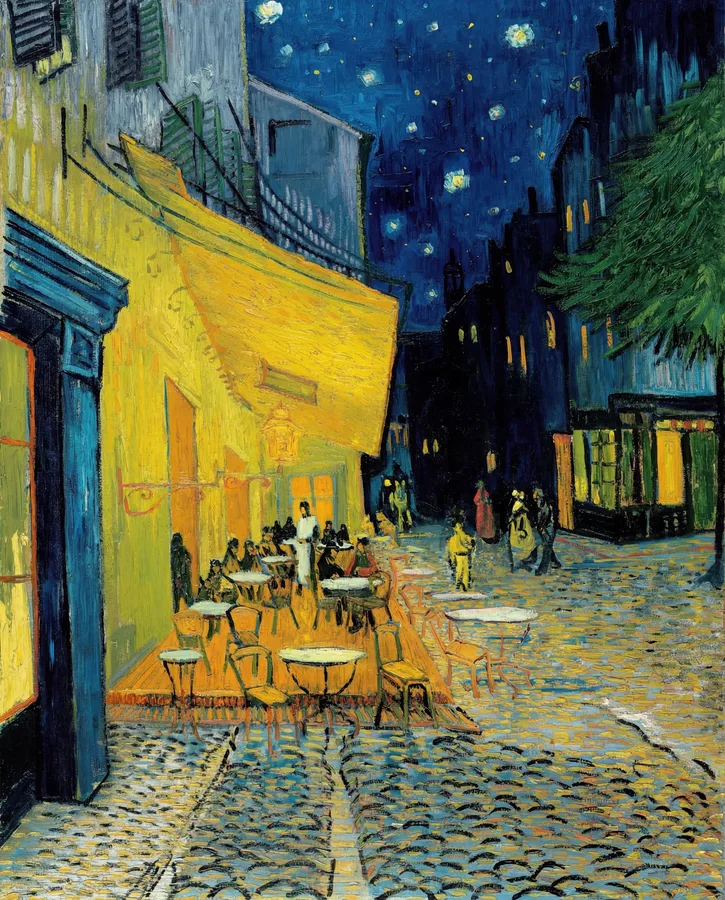
Café Terrace at Night (1888) by Vincent van Gogh, restored fine-art print

Café Terrace at Night, 1888

One of the machine’s five thousand products — restored by the studio.

Enter the Van Gogh room →

Where we are

salesacross three storefronts
9,700+
active listingslive right now
5,000+
average ratingfrom 900+ reviews
4.8★
artist cataloguesrestored end to end
15

Every figure above is public on our Etsy storefronts and can be checked by clicking through. Counted 17 July 2026. Our first sale was on 2 January 2024.

All of our numbers, in the open →

01

What we do

A great deal of the world's art is out of copyright and freely available — and almost none of it is ready to sell. The scans that survive in public archives are yellowed, cracked, shot under museum glass, or photographed slightly off-axis. Between one of those files and a product a customer would pay for sits a long chain of work: clearing rights, restoring the image, judging quality, writing the listing, configuring the product.

GeMarkt is a method for doing that chain at scale. Software we wrote ourselves carries each artwork from raw scan to finished listing; print-on-demand manufactures only what sells. The result is an economics most catalogues do not have: no inventory, no capital tied up in stock, and a per-item cost low enough that catalogue size stops being the constraint.

That is how one person operates more than 5,000 live products. The ceiling is not labour or warehouse space — it is how fast a human can approve work, because approval is the one step we refuse to automate.

Today the method runs on classical art, because we know it and love it. Nothing in the method is specific to art: the same chain — source, clear, enrich, list, distribute — can carry other product lines, and eventually a platform of our own.

03

How the work gets made

Four moves, repeated for every artwork. A person carries the work between them — deliberately, at every point where money or copyright is at stake.

  1. 01

    Source & clear

    High-resolution scans from public-domain archives, with a copyright gate in front of production: no work gets a production-grade file until its public-domain status has been confirmed by a person, against a record fed by real takedown history.

  2. 02

    Restore

    Batch restoration through an image model — damage, glare, frame edges and perspective corrected. The model is forbidden from inventing content: where the artwork sits in a photograph, it returns coordinates, and our code performs the crop.

  3. 03

    Verify

    Two restoration engines race on the same artwork and a person picks the winner — 1,975 pairs judged so far. An AI triage pass then scores sellability, with weights calibrated on 92 real decisions we had already made.

  4. 04

    Publish

    A language model drafts listing copy under a forced schema and deterministic code cleans up after it. Everything lands as a draft — our tooling has no code path that takes a listing live. That is a human keystroke, every time.

Read the full seven-stage process →

04

How we build

We use large language models heavily. We do not trust them.

Structured output, never string parsing

Every model call is bound to a schema through the provider's structured-output enforcement, on every provider we use. We have never shipped a code path that parses free text out of a model response and hopes.

Deterministic code cleans up after the model

The model proposes; ordinary code disposes. Every limit the platform imposes is enforced by rules we wrote in advance — never by trusting the model to cut the right corner, and never by mangling the result.

A human gate wherever it costs something

Copyright calls, quality calls, publishing, and fulfilment are all human. The optimisation engine only ever suggests; it cannot write to a storefront. We decided how far to automate, and we stopped at every point where a mistake costs money or someone else's rights.

Verify, do not claim

A quantity badge on a cover image is rendered only if the live listing confirms it. The words "300 DPI" are printed only if the live listing already says so. The system is built so it cannot assert something it has not checked.

Measure the spend

Both providers are called through their batch APIs at half price, prompt caching is on and measured, and billed requests are tracked separately from successful ones — because a retry bills you again for the same image. There is a cost ledger, and a per-image price model.

05

Distribution

GeMarkt is the studio and the brand behind the work. Selling happens where art buyers already are: three marketplace storefronts, each with its own name, catalogue and audience.

Marketplaces are a channel decision, not an identity. For a one-person studio they supply demand, reviews and fulfilment rails we would otherwise have to build — and every sales figure they display is public, which suits how we prefer to make claims. A storefront under our own flag is on the roadmap; the numbers below are the reason we get to build it.

TheCapitalOfArt

Our oldest storefront and the digital side of the business: printable art, historical photo archives, and large curated bundles. Instant download, no printer involved.

  • 9,176 sales
  • 591 listings
  • 4.8★ · 851 reviews
  • Since 2024
Visit on Etsy

LumenArtee

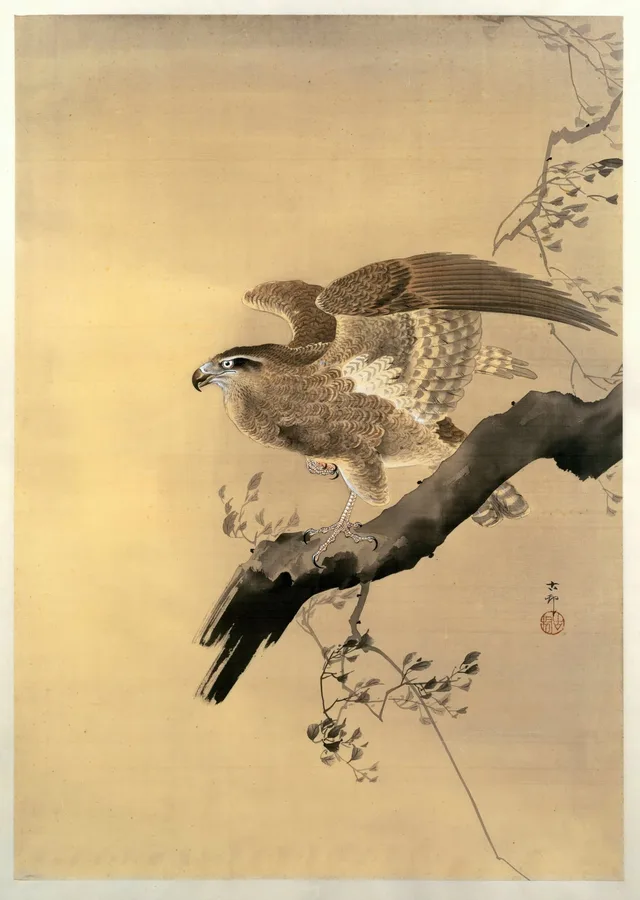
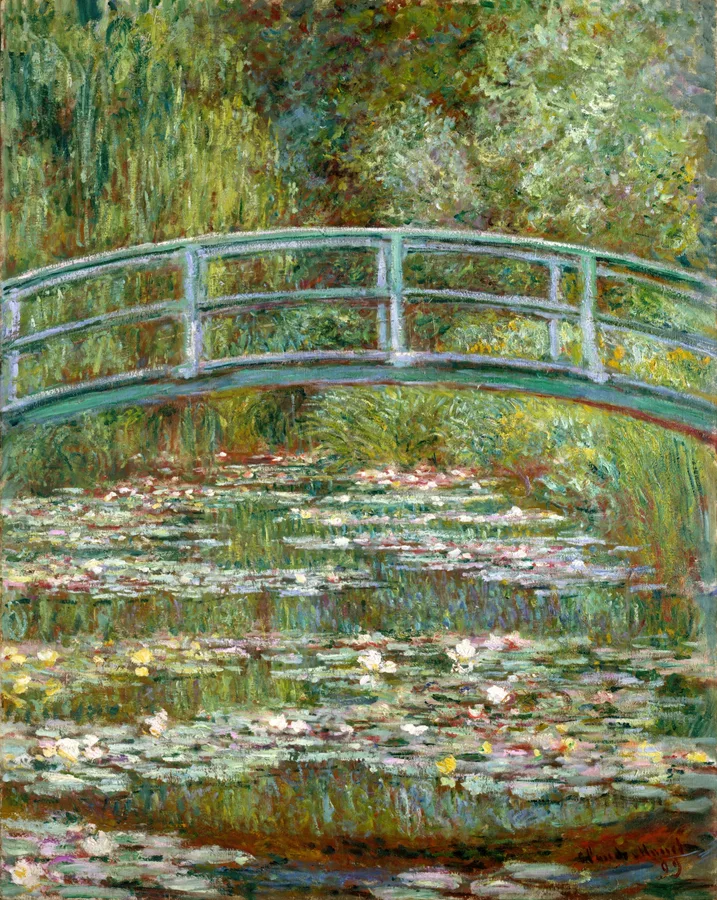
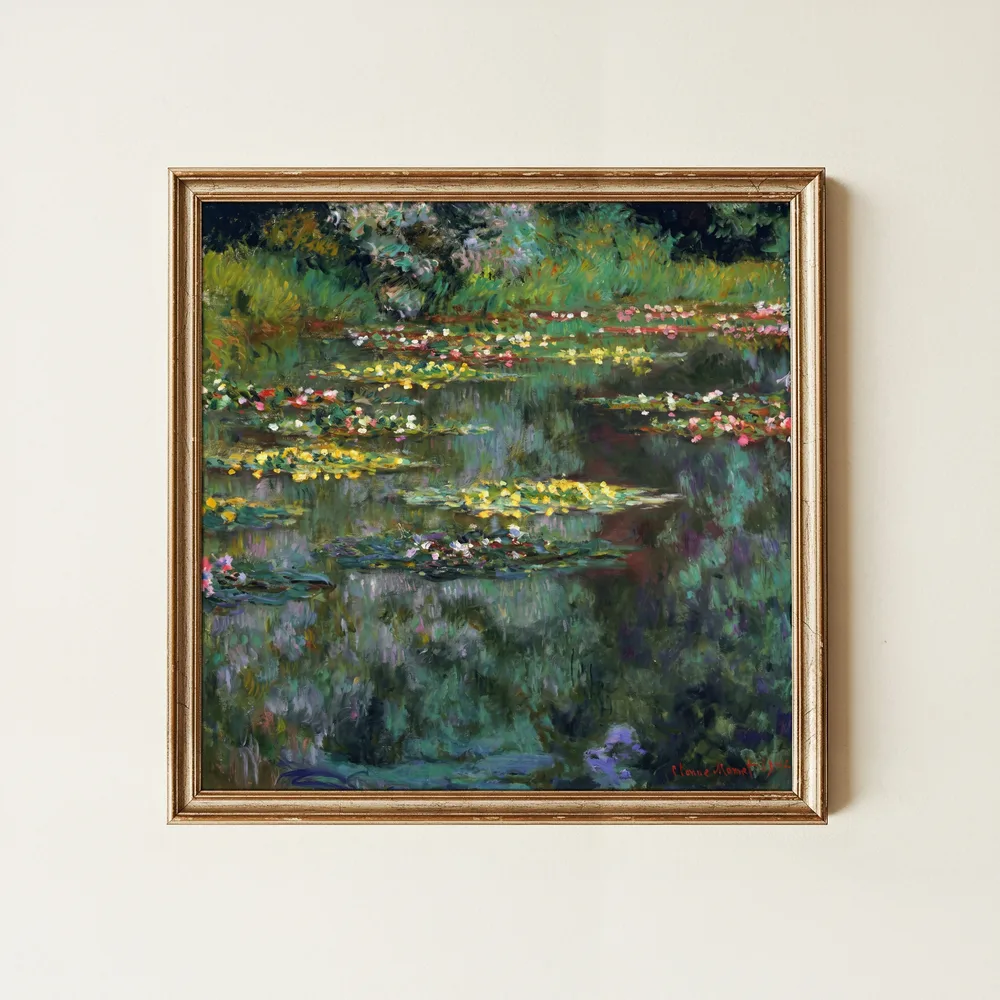
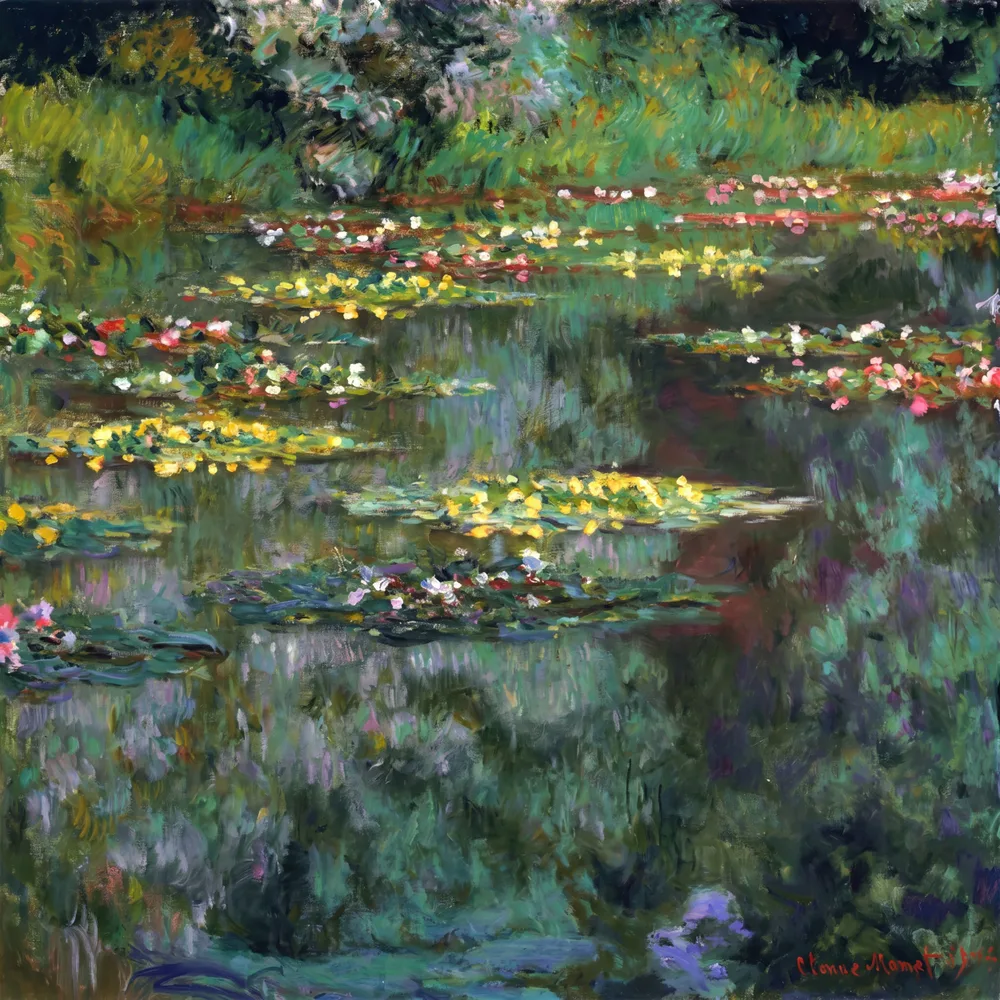
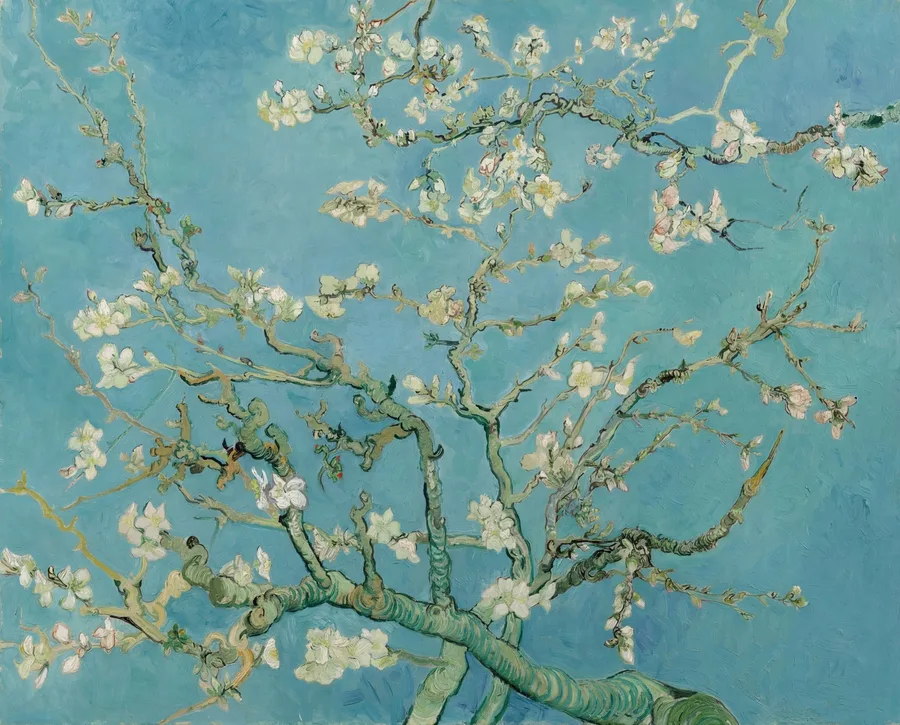
The physical side: prints of restored classical paintings, produced on demand in four formats — rolled poster, stretched canvas, framed canvas, and framed paper. The deepest catalogue we run: Renoir, Van Gogh, Toulouse-Lautrec, Cézanne, Monet, Klimt, and the Japanese woodblock masters.

  • 4,337 listings
  • 484 sales
  • 4.9★ · 48 reviews
  • Since 2025
Visit on Etsy

frofyprint

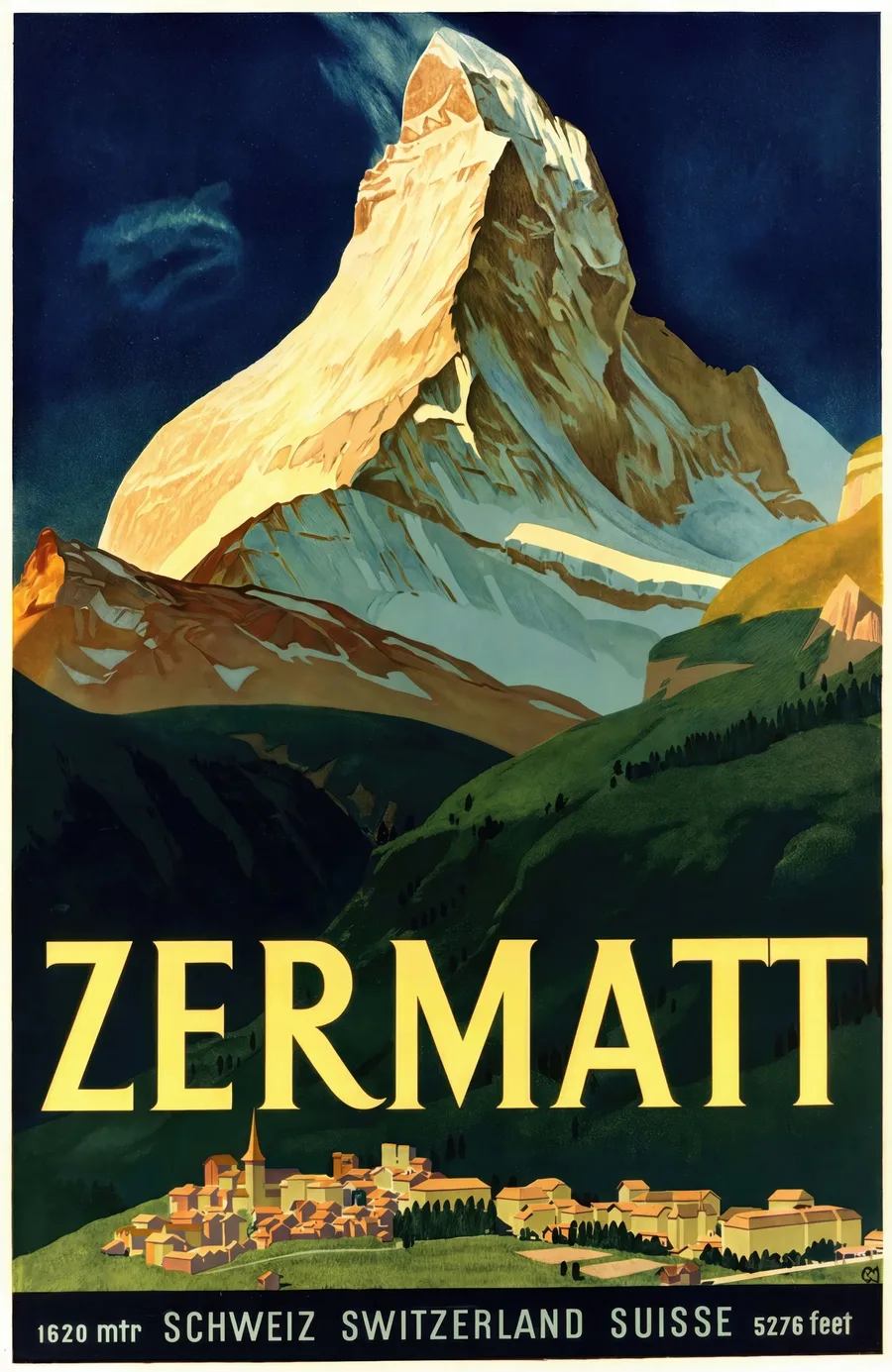
A focused catalogue of vintage advertising and travel posters, built around Leonetto Cappiello and the golden age of European commercial art.

  • 762 listings
  • 73 sales
  • 4.9★ · 14 reviews
  • Since 2024
Visit on Etsy

Sales, listing counts and ratings are shown publicly on each shop page — the numbers on this site are simply those, added up.

06

Infrastructure

Lean by design.

GeMarkt runs deliberately lean: one workstation, one Ubuntu VPS, and software written to make that enough. The pipeline processes restoration work in batches, every job is resumable, and a local similarity index of 3,999 visual embeddings guards the catalogue against duplicates. The low overhead is a design decision, not an accident.

Lean does not mean simple. The catalogue index is a 1.5 GB JSON file searched in place with binary search, because that beat adding a database we did not need. An upload is skipped entirely when the file can be proven already present — by name, dimensions and byte count. The system is instrumented down to the cost of a single image.

The system has now reached the edge of what one machine should carry — exactly the point where infrastructure stops being an expense to avoid and becomes the next investment. Because the work is already batch-oriented, resumable, and stateless where it counts, managed cloud is a migration for us, not a rewrite.

Where each piece is headed

Claude API callsAmazon Bedrock
Images on local diskS3 + CloudFront
Batch restoration jobsAWS Batch / Lambda
Local SQLite, unbacked upRDS or DynamoDB
Secrets in .env filesSecrets Manager
SMTP through nodemailerAmazon SES
Hand-rolled HMAC authCognito / ALB OIDC

Nothing runs on AWS today. This is the plan, stated as a plan.

07

Founder

GeMarkt is built and run by one person.

Hasan Oğuz Erkan

Founder & engineer

Writes the pipeline, runs the storefronts, and makes the calls the software is not allowed to make.

08

Contact

For partnerships, licensing, or anything else.

contact@gemarkt.com

GeMarkt is an independent studio run by its founder, Hasan Oğuz Erkan.